Most people handle a $20 bill without ever really seeing it. Beyond Andrew Jackson’s portrait and the familiar green-and-black design, the imagery feels purely decorative at first glance. But tucked into those fine lines and symbols is a detail that has sparked curiosity for decades: the bow-and-arrow–like imagery associated with the eagle and its weapons. This symbol isn’t random, and it isn’t just artistic flair. It traces back to early American ideas about power, defense, and the uneasy balance between peace and force that helped shape the nation itself.
The imagery originates from the Great Seal of the United States, which strongly influences modern U.S. currency produced under the authority of the United States Department of the Treasury. On the reverse symbolism echoed across American money, the eagle traditionally clutches arrows in one talon and an olive branch in the other. While not literally a bow-and-arrow weapon, the arrows represent military readiness and collective defense. In early American iconography, arrows were commonly bundled together to symbolize unity—one arrow can break, but many together are strong. The concept quietly reinforces the idea that the nation survives through cooperation and shared strength, not individual force alone.
The placement of these symbols is just as important as their meaning. The eagle faces the olive branch rather than the arrows, signaling a national preference for peace over conflict. This design choice was intentional and deeply political when first adopted. Early leaders wanted a visual message that the United States was prepared to defend itself, but not eager to wage war. Even today, that silent message travels from hand to hand every time a $20 bill changes owners, unnoticed by most but still doing its symbolic work.
What makes the bow-and-arrow symbolism so fascinating is how it reflects a tension that still exists today. The United States presents itself as peaceful, lawful, and diplomatic—yet always armed with the means to respond if threatened. That dual identity is encoded directly into the money people use every day. So the next time you pull a $20 from your wallet, take a second look. That small, easily ignored symbol is a reminder that American currency isn’t just about value—it’s also about history, ideology, and the quiet messages nations leave behind for those who know where to look.
Related Posts

Doctors reveal that eating cucumber in salads causes…
Cucumbers are a simple and refreshing addition to meals, but their nutritional value makes them more than just a salad ingredient. They contain water, fiber, vitamins, minerals,…
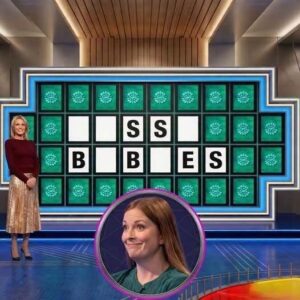
Wheel of Fortune Bonus Round Leaves Viewers Talking After a Remarkably Close Finish
Sarah LaPilusa’s Last-Second Wheel of Fortune Win Sarah LaPilusa turned a closely contested episode of Wheel of Fortune into a memorable victory after making a last-second correction…

Crunchy Pink Surprise on Wall Whats Really Going on Inside Your Home
A crunchy pink mass sticking out of a wall may look concerning, but it can sometimes be ordinary spray foam insulation. Construction and repair crews use expanding…

The Kitchen Habit Many People Overlook: Why Keeping a Towel on the Oven Door Matters
A busy kitchen can feel warm and welcoming, but some everyday habits can create avoidable safety risks. One example is hanging a tea towel over the oven…

Why Baggage Handlers Say You Should Never Tie a Ribbon to Your Suitcase
Why Baggage Handlers Say You Should Avoid Ribbons on Suitcases Many travelers tie colorful ribbons to their luggage because they make suitcases easier to recognize at baggage…

I Found a Baby in a Car Trunk at My Mechanic Shop and Raised Her as My Own – On Her 16th Birthday, I Opened Another Trunk and Went Pale at What Was Hidden Under a Child’s Blanket
Sixteen years ago, I was thirty-nine, single, and much better at rebuilding transmissions than caring for babies. I worked at a neighborhood garage with Frank, Dennis, and…