In a development that has garnered significant national attention, the political landscape in Washington has shifted again.
As House Oversight Chairman James Comer issued a formal request for Bill and Hillary Clinton to participate in extensive testimony regarding their historical interactions with the late financier Jeffrey Epstein.
This request represents a major step forward in an ongoing congressional inquiry that has already sparked intense debate, scrutiny, and public curiosity across the country.
What was once a series of scattered reports, brief comments, and long-standing questions has now transitioned into a structured and official phase of examination.
According to committee officials, the Clintons’ legal representatives initially expressed interest in responding through written submissions—an approach that would have allowed the former president and former secretary of state to address inquiries in a more controlled, limited, and carefully prepared format.
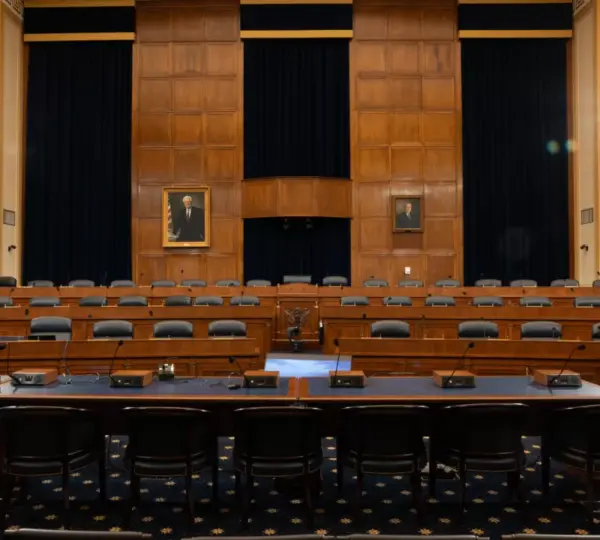
However, the committee’s firm insistence on live, in-person testimony signals the seriousness with which lawmakers are approaching the matter.
It also reflects a broader push for transparency and firsthand clarification rather than summaries or interpretations offered through attorneys.
Once the depositions take place, the setting itself will be highly formal and tightly regulated.
Attorneys from both sides will be present, cameras may document portions of the proceedings, and a court reporter will record every question and every answer word for word.
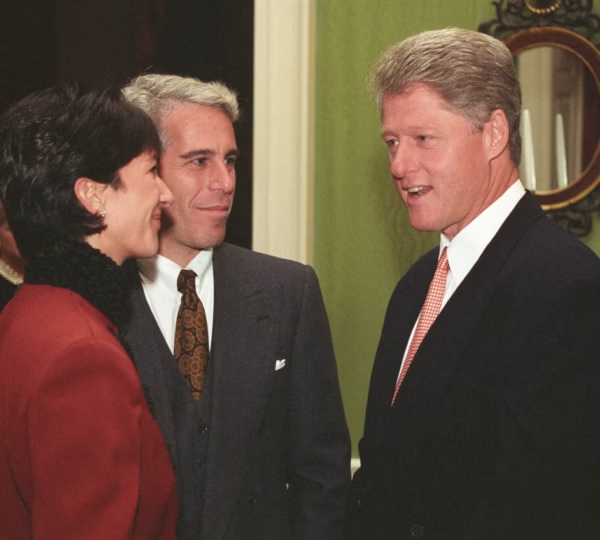
In this environment, even small details—such as travel records, event invitations, guest lists, or photographs from past public appearances—may become the focus of extended discussion.
Elements that were once dismissed as trivial or incidental may now be reviewed carefully to help clarify the context of past interactions.

Over the years, the Clintons have addressed questions about their connections to Epstein through public statements, interviews, and official spokespeople. However, a deposition is a distinctly different environment.
It provides an opportunity not only to reaffirm past disclosures but also to address any areas where the public record appears incomplete or inconsistent.
Because depositions require sworn testimony, each response becomes part of a permanent legal record—something that adds weight and significance to even the most routine answers.
Throughout the process, the Clintons’ legal team will play a central role. Their job will be to ensure that inquiries remain fair, fact-based, and within the boundaries established by law.
They are expected to object to questions that are overly broad, speculative, or unrelated to the scope of the investigation.
Their approach will likely emphasize clarity, precision, and the avoidance of unnecessary ambiguity.
Committee lawyers, on the other hand, will seek to secure detailed and reliable responses, pushing for specificity where needed to build a complete historical record.
While some observers may anticipate dramatic revelations or sensational new information, the reality of such proceedings is often far more measured.

Instead of a single defining moment, the outcome is likely to consist of an extensive and sometimes painstaking exploration of timelines, recollections, and contextual explanations.
The record may highlight differences in memory, interpretation, or personal perspective—common challenges when discussing events from many years in the past.
These moments will inevitably draw attention, but their significance will depend largely on how they align with existing documentation and prior public statements.
Supporters of the Clintons may frame any discrepancies as normal variations in human memory, especially when discussing events that occurred decades ago.
Critics, meanwhile, may focus on minor inconsistencies or perceived gaps in recollection.
Yet regardless of how individual groups interpret the results, the depositions themselves will mark an important moment in the effort to provide a clearer and more comprehensive understanding of the historical record.
Once completed, the transcripts of these depositions will join a collection of documents that form the official record of congressional oversight.
These transcripts—preserved in full and accessible for future reference—will outlast news cycles, political arguments, and momentary headlines.
They will provide journalists, researchers, lawmakers, and the public with a more complete view of how prominent American political figures intersected, directly or indirectly, with Epstein’s broader social environment over the years.
This long-term availability is essential for ensuring accuracy, transparency, and historical accountability.
In a broader sense, the process reflects a growing recognition of the importance of confronting difficult or unresolved chapters in public life.
For years, questions surrounding Epstein’s network have raised concerns not only about individual relationships but also about systemic issues, failures in oversight, and the responsibilities of institutions.
By pursuing sworn testimony and building a factual record, lawmakers aim to address longstanding uncertainties and reduce reliance on speculation or rumor.
Ultimately, this stage of the inquiry may help illuminate not only what was known in the past, but also how information was interpreted, responded to, or overlooked by various individuals and organizations.
It may prompt a deeper societal conversation about transparency, accountability, and the structures that allow powerful individuals to operate with limited scrutiny.
In the end, the significance of these depositions extends beyond the individuals involved.
They may contribute to a more complete historical understanding—a carefully documented account that helps the public make sense of complex events and relationships that have captured global attention for many years.
Through this effort, Washington may move one step closer to providing the clarity that many have sought, allowing future generations to study this era with a more accurate and fully developed perspective.
In a development that has garnered significant national attention, the political landscape in Washington has shifted again.
As House Oversight Chairman James Comer issued a formal request for Bill and Hillary Clinton to participate in extensive testimony regarding their historical interactions with the late financier Jeffrey Epstein.
This request represents a major step forward in an ongoing congressional inquiry that has already sparked intense debate, scrutiny, and public curiosity across the country.
What was once a series of scattered reports, brief comments, and long-standing questions has now transitioned into a structured and official phase of examination.
According to committee officials, the Clintons’ legal representatives initially expressed interest in responding through written submissions—an approach that would have allowed the former president and former secretary of state to address inquiries in a more controlled, limited, and carefully prepared format.
However, the committee’s firm insistence on live, in-person testimony signals the seriousness with which lawmakers are approaching the matter.
It also reflects a broader push for transparency and firsthand clarification rather than summaries or interpretations offered through attorneys.
Once the depositions take place, the setting itself will be highly formal and tightly regulated.
Attorneys from both sides will be present, cameras may document portions of the proceedings, and a court reporter will record every question and every answer word for word.
In this environment, even small details—such as travel records, event invitations, guest lists, or photographs from past public appearances—may become the focus of extended discussion.
Elements that were once dismissed as trivial or incidental may now be reviewed carefully to help clarify the context of past interactions.
Over the years, the Clintons have addressed questions about their connections to Epstein through public statements, interviews, and official spokespeople. However, a deposition is a distinctly different environment.
It provides an opportunity not only to reaffirm past disclosures but also to address any areas where the public record appears incomplete or inconsistent.
Because depositions require sworn testimony, each response becomes part of a permanent legal record—something that adds weight and significance to even the most routine answers.
Throughout the process, the Clintons’ legal team will play a central role. Their job will be to ensure that inquiries remain fair, fact-based, and within the boundaries established by law.
They are expected to object to questions that are overly broad, speculative, or unrelated to the scope of the investigation.
Their approach will likely emphasize clarity, precision, and the avoidance of unnecessary ambiguity.
Committee lawyers, on the other hand, will seek to secure detailed and reliable responses, pushing for specificity where needed to build a complete historical record.
While some observers may anticipate dramatic revelations or sensational new information, the reality of such proceedings is often far more measured.
Instead of a single defining moment, the outcome is likely to consist of an extensive and sometimes painstaking exploration of timelines, recollections, and contextual explanations.
The record may highlight differences in memory, interpretation, or personal perspective—common challenges when discussing events from many years in the past.
These moments will inevitably draw attention, but their significance will depend largely on how they align with existing documentation and prior public statements.
Supporters of the Clintons may frame any discrepancies as normal variations in human memory, especially when discussing events that occurred decades ago.
Critics, meanwhile, may focus on minor inconsistencies or perceived gaps in recollection.
Yet regardless of how individual groups interpret the results, the depositions themselves will mark an important moment in the effort to provide a clearer and more comprehensive understanding of the historical record.
Once completed, the transcripts of these depositions will join a collection of documents that form the official record of congressional oversight.
These transcripts—preserved in full and accessible for future reference—will outlast news cycles, political arguments, and momentary headlines.
They will provide journalists, researchers, lawmakers, and the public with a more complete view of how prominent American political figures intersected, directly or indirectly, with Epstein’s broader social environment over the years.
This long-term availability is essential for ensuring accuracy, transparency, and historical accountability.
In a broader sense, the process reflects a growing recognition of the importance of confronting difficult or unresolved chapters in public life.
For years, questions surrounding Epstein’s network have raised concerns not only about individual relationships but also about systemic issues, failures in oversight, and the responsibilities of institutions.
By pursuing sworn testimony and building a factual record, lawmakers aim to address longstanding uncertainties and reduce reliance on speculation or rumor.
Ultimately, this stage of the inquiry may help illuminate not only what was known in the past, but also how information was interpreted, responded to, or overlooked by various individuals and organizations.
It may prompt a deeper societal conversation about transparency, accountability, and the structures that allow powerful individuals to operate with limited scrutiny.
In the end, the significance of these depositions extends beyond the individuals involved.
They may contribute to a more complete historical understanding—a carefully documented account that helps the public make sense of complex events and relationships that have captured global attention for many years.
Through this effort, Washington may move one step closer to providing the clarity that many have sought, allowing future generations to study this era with a more accurate and fully developed perspective.